


Gooseneck vs Bumper Pull Trailers in Jonesboro, AR: Which One Should You Buy?
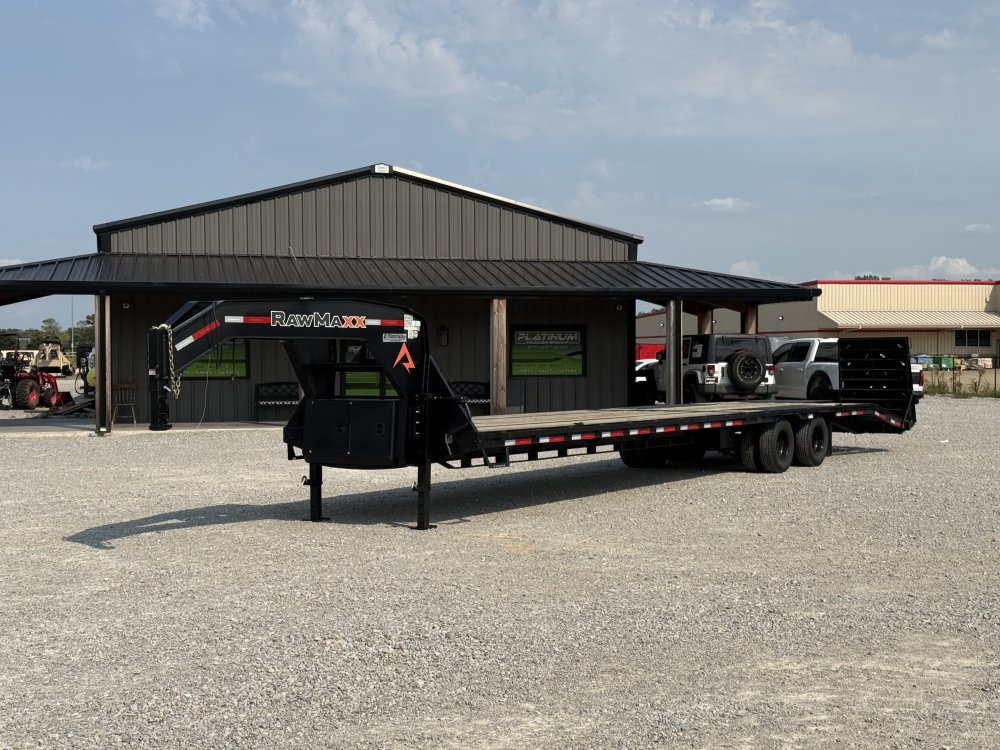
Choosing between a gooseneck trailer and a bumper pull trailer is one of the first decisions you make when you shop for a dump trailer, equipment trailer, flatbed, car hauler, or utility trailer. The hitch type changes how the trailer tows, how much weight you can haul, and what kind of truck you need. If you are a contractor, farmer, landscaper, or DIY buyer comparing trailers for sale in Jonesboro, AR, this guide walks through the differences in plain language.
What Is a Bumper Pull Trailer?
A bumper pull trailer, also called a tag along trailer, couples to a ball mount in the receiver hitch at the rear of your tow vehicle. That is the familiar setup on most utility trailers and many mid-size dump trailers, car haulers, and equipment trailers. They are simpler to hook up, usually cost less than a comparable gooseneck, and leave the truck bed open, as long as the receiver, ball, and tow vehicle ratings cover the loaded trailer.
The limits show up as the load gets heavier or the trailer gets longer. Because the hitch sits behind the rear axle, a bumper pull is more prone to sway if tongue weight is off or you catch a crosswind. A weight-distribution hitch and sway control can help, but they do not turn a light-duty bumper pull into a heavy commercial hauler.
What Is a Gooseneck Trailer?
A gooseneck trailer has a long neck that extends over the truck bed and couples to a gooseneck hitch, typically a 2-5/16-inch ball mounted in the bed over the rear axle. That is why gooseneck trailers are a common choice for heavier dump trailers, long flatbeds, and serious equipment hauling. The pivot point over the rear axle improves highway stability and reduces sway.
A gooseneck hitch is not the same as a fifth wheel hitch. A fifth wheel uses a kingpin and a plate-style coupler. The couplers are different, so confirm what your trailer needs before you buy or install a hitch.
Gooseneck Hitch, Tongue Weight, and Tow Vehicle Needs
Tongue weight on a bumper pull trailer is typically about 10 to 15 percent of the loaded trailer weight. Too little and the trailer can sway; too much and the rear of the truck squats. Pin weight on a gooseneck is higher, often around 20 to 25 percent of the loaded weight, so your truck's payload capacity, rear axle rating, and gooseneck tow rating all have to be up to the job. A bumper pull can fit a correctly rated half-ton or heavier truck, and sometimes a capable SUV, for moderate loads. A gooseneck usually calls for a 3/4-ton or 1-ton pickup with a properly installed, rated gooseneck hitch in the bed. Short-bed trucks need extra cab clearance on tight turns, and sometimes a sliding hitch. Always match the loaded combination to GVWR, payload capacity, hitch rating, and the tow vehicle's limits.
Gooseneck vs Bumper Pull Trailer: Side-by-Side Comparison
| Feature | Bumper Pull (Tag Along) | Gooseneck |
|---|---|---|
| Hitch | Receiver hitch and ball behind the truck | Gooseneck hitch (in-bed ball) over the rear axle |
| Typical capacity | Often up to about 14,000 to 16,000 lbs GVWR; some heavy-duty models are higher | Common on heavier trailers, often 20,000 lbs GVWR and above |
| Stability | Good when loaded correctly; more sway at higher weights | Better highway stability and less sway |
| Maneuverability | Familiar backing; wider swing at the hitch | Tighter turning radius; watch cab clearance |
| Truck bed | Bed stays fully open | Coupler and hitch take up bed space |
| Typical buyer | Lighter, occasional, or mixed-use hauling | Frequent, heavy, or longer-distance hauling |
Stability, Capacity, and Everyday Use
If you mostly haul lawn equipment, project materials, or a compact tractor on a utility trailer or small equipment trailer, a bumper pull is often the simpler, more affordable path. Hookup is quick, and the truck bed stays free for tools or fuel. If you regularly move heavier machinery, large gravel loads, or long equipment on a flatbed or dump trailer, a gooseneck trailer usually tows with more control, and the tighter turning radius helps on tight jobsites and farm gates. A comparable bumper pull is often less expensive, while a gooseneck typically costs more and requires a bed hitch, but it can be the more comfortable choice as the load and mileage add up.
Which One Is Right for You?
A bumper pull trailer is likely the better fit if you tow moderate loads within your truck's ratings, want the truck bed clear, need a utility trailer, smaller dump trailer, or car hauler for occasional or mixed use, or prefer a simpler hitch setup.
A gooseneck trailer is likely the better fit if you haul heavy equipment, larger dump loads, or long flatbed freight; want maximum stability at highway speeds; have or are ready to set up a 3/4-ton or 1-ton truck with a gooseneck hitch; or work in tight jobsites where a tighter turning radius matters. Size the trailer to your heaviest load, not the average run.
FAQ: Gooseneck Trailer vs Bumper Pull Trailer
Is a tag along trailer the same as a bumper pull trailer?
Yes. Tag along trailer is another name for a bumper pull trailer that hooks to the receiver hitch.
Can I tow a gooseneck with a fifth wheel hitch?
Not directly. A gooseneck hitch uses a ball in the truck bed, while a fifth wheel hitch uses a kingpin and a different coupler. Use the hitch the trailer was built for and confirm ratings first.
How much tongue weight do I need on a bumper pull?
A common target is about 10 to 15 percent of the loaded trailer weight on the hitch. Too little can cause sway; too much can squat the rear of the truck. On a gooseneck, expect higher pin weight, often around 20 to 25 percent.
Where can I compare both types?
If you have been searching for a trailer dealer near me, or for trailers for sale in Jonesboro, AR, visit or contact Platinum Trailer Group. We can help you compare bumper pull and gooseneck dump trailers, equipment trailers, flatbeds, car haulers, and utility trailers, and match the hitch to your truck and payload capacity.
Ready to Find the Right Hitch Type?
Whether you need a bumper pull for everyday hauling or a gooseneck trailer for heavier work, Platinum Trailer Group can help you compare options and what your tow vehicle can safely handle. Reach out or stop in at a location in Arkansas or Georgia when you are ready.