


Scissor Hoist vs Telescopic Hoist Dump Trailers in Jonesboro, AR: What to Look For Before You Buy
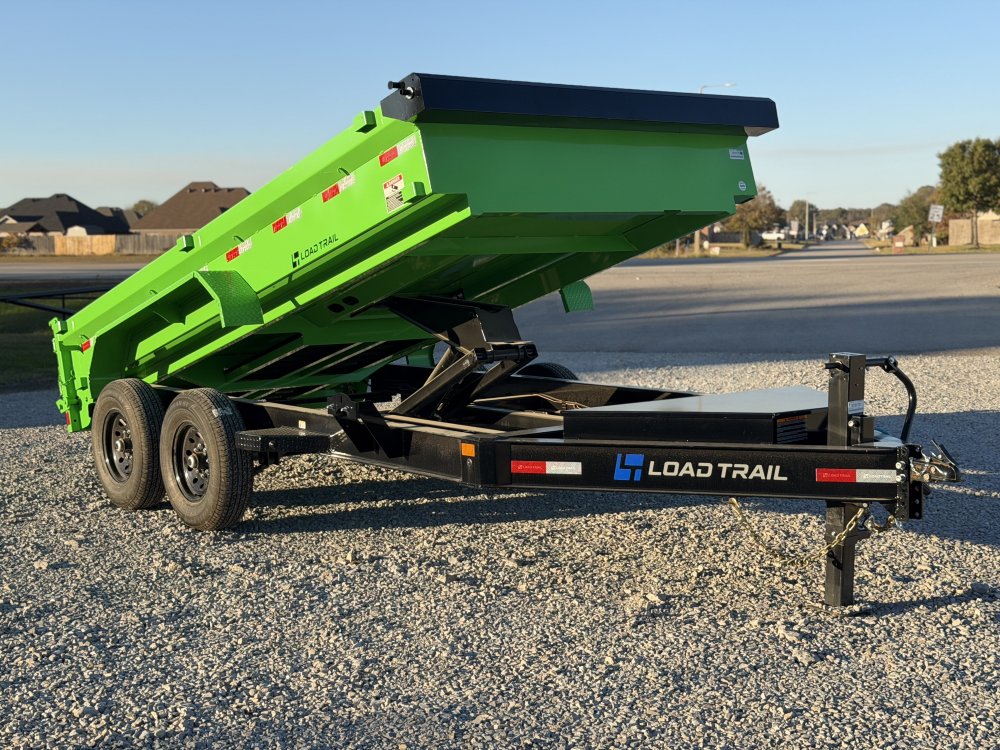
If you are shopping for a hydraulic dump trailer, the hoist under the bed matters as much as box size or GVWR. A scissor hoist and a telescopic hoist both raise the dump bed, but they do it in different ways, and that changes how the trailer feels on a jobsite. For contractors, landscapers, farmers, and DIY buyers looking at a dump trailer for sale, the right hoist is the one that matches the material you haul and the ground you dump on.
How a Scissor Hoist Works on a Dump Trailer
A scissor hoist, sometimes called a scissor lift, uses a hydraulic cylinder to open steel scissor arms under the dump bed. As the cylinder extends, the linkage unfolds and lifts the front of the bed, tipping the load out the rear gate. That linkage gives strong leverage at the start of the lift, when the load is heaviest, and helps the bed track if gravel, dirt, or debris is not perfectly centered. The tradeoff is added steel, pins, and bushings, so a scissor hoist typically weighs more than a comparable telescopic cylinder. On many general-purpose dump trailers, it remains a proven everyday setup.
How a Telescopic Hoist Dump Trailer Works
A telescopic hoist uses a multi-stage hydraulic cylinder, usually mounted toward the front of the box. Nested stages extend one after another, giving a long lift stroke from a compact retracted length. That is the design people mean when they shop for a telescopic hoist dump trailer. The cylinder can raise a heavy, well-centered load efficiently, and many designs allow a steeper dump angle for wet clay, sticky soil, or compacted material. The cylinder is often lighter than a full scissor assembly, which can free up a bit of payload capacity, but a tall, extended cylinder is more vulnerable to side loading on a slope, and an inner-stage seal leak can be more involved to service.
Scissor Hoist vs Telescopic Hoist: Side-by-Side Comparison
| Feature | Scissor Hoist | Telescopic Hoist |
|---|---|---|
| How it works | Hydraulic cylinder opens scissor arms under the bed | Multi-stage cylinder extends to raise the front of the box |
| Typical strengths | Stability and consistent lifting on uneven ground | Long stroke, often a steeper dump angle, lighter hoist weight |
| Best-fit loads | Everyday dirt, gravel, mulch, and general jobsite dumping | Wet, sticky, or compacted material that needs a steeper tip |
| Maintenance focus | Grease and inspect pins, bushings, arms, and pivots | Inspect cylinder stages, seals, mounts, and hydraulic lines |
| Common tradeoffs | More underbody weight and more linkage wear points | More sensitive to side loading when fully extended |
GVWR, Payload Capacity, and Dump Angle
The hoist type does not, by itself, set payload capacity. Legal payload is limited by the complete trailer's GVWR and by the axles, tires, frame, coupler, and other components. A bigger-looking cylinder does not automatically mean you can haul more. Scissor hoists are widely favored on uneven jobsites because the linkage can resist twisting if the load shifts. Telescopic hoists often shine when you need a steeper dump angle or want to keep hoist weight down. Exact dump angle and cycle time still vary by model, so compare the specific hydraulic dump trailer. For either system, park as level as you can, use rear stabilizer stands if the trailer has them, and never get under a raised dump bed that is not properly supported.
Cost and Maintenance Tendencies
Upfront cost depends on the whole trailer. In otherwise similar configurations, a scissor hoist dump trailer can be the more budget-friendly option, while a telescopic setup may cost more because of the multi-stage cylinder. Those are tendencies, not rules. Maintenance differs in emphasis: scissor hoists need regular greasing and inspection of pins, bushings, and arms, while telescopic hoists need clean cylinder stages, healthy seals, and leak-free fittings. On both, a weak battery is a common reason a hydraulic dump trailer lifts slowly, so check the battery, charger, fluid, and hoses regularly. If the bed rises unevenly, binds, leaks, or makes unusual noises, stop and have the hoist inspected before the next load.
Which Dump Trailer Hoist Is Right for You?
Choose a scissor hoist if you dump on uneven farms or jobsites, haul typical loads of dirt, gravel, rock, or debris, or want a mechanism that is easy to inspect and grease. It is a strong fit on many compact and general-purpose dump trailers.
Choose a telescopic hoist if you regularly haul sticky or compacted material that needs a steeper dump angle, want to protect payload capacity, usually dump on fairly level ground, or are comparing heavier hydraulic dump trailer setups built around a front-mount telescopic cylinder.
If you also use the trailer like an equipment trailer now and then, look at the whole package: GVWR, floor, sides, gate, ramps, and tarp. The right dump trailer matches your material, your jobsites, and your tow vehicle.
FAQ: Scissor Lift vs Telescopic Hoist Dump Trailers
Is a scissor hoist stronger than a telescopic hoist?
Not automatically. Performance depends on the hoist rating, the geometry, and the trailer's GVWR package. A well-matched scissor hoist can be better on uneven ground, while a well-matched telescopic hoist can be better for dump angle and payload capacity.
Does a telescopic hoist dump trailer always empty better?
It often helps with sticky or compacted loads because many telescopic designs offer a steeper dump angle. Loose, dry gravel or sand usually clears fine with either hoist.
Which hoist costs more to maintain?
Both need hydraulic and electrical care. Scissor hoists have more grease points and linkage wear items. Telescopic hoists have more seals and stages, and an inner-stage leak can be more involved to repair. Follow the manufacturer's service schedule either way.
Can I compare both types at a trailer dealer in Jonesboro, AR?
Yes. If you are looking at a dump trailer for sale, visit or contact Platinum Trailer Group. The team can help you match GVWR, payload capacity, and hoist type to the work you do.
Ready to Compare Dump Trailers?
If you are shopping for a hydraulic dump trailer in Jonesboro, AR, or anywhere Platinum Trailer Group serves in Arkansas and Georgia, stop by or reach out. We can help you compare hoist types, payload, and layout so you leave with a dump trailer that fits the job.